How Heavy Is Too Heavy for Earrings? A Guide to Weight, Pain and Earlobe Care
Big earrings should make a statement - not make you count the minutes until you can take them off.

The short answer: there is no medically established gram limit that makes an earring safe or too heavy for everyone. An earring is too heavy for you if it causes aching, pressure, a pulling sensation, visible drooping at the piercing or soreness that lingers after you remove it.
Weight is still useful, but only when you read it correctly. A pair weighing 6 g places approximately 3 g on each ear. Comfort also depends on how long you wear the earrings, how the design is balanced, the backing, the position and age of the piercing, and your own earlobe tissue.
This guide concerns fully healed earlobe piercings. A fresh, healing or cartilage piercing needs its own professional aftercare.
Why can earring weight hurt your ears?
An earring hangs from a small channel of skin. The heavier the load, and the longer it is worn, the more downward force the piercing has to carry. That can feel like a dull ache, pressure at the hole or a persistent pulling sensation.
Over time, repeated traction can lengthen a round piercing into a vertical slit. A sudden pull or snag can also cause a partial or complete tear. A clinical study published in the Journal of Cutaneous and Aesthetic Surgery describes traumatic earlobe elongation after long-term use of heavy jewellery or a tug on an earring. Cleveland Clinic likewise lists heavy jewellery and injury among the causes of stretched or torn earlobes.
Large does not automatically mean heavy. A broad hollow hoop, a thin sheet form or a lightweight composite can create more visual scale than a smaller piece made from dense solid metal. That is why dimensions alone do not tell you how an earring will feel.
So, how many grams is too heavy for earrings?
The clinical and public-health sources reviewed for this article do not set a universal maximum earring weight in grams. Neat online cut-offs may look helpful, but they cannot account for different ears, different piercings or different wear times.
Use three checks instead:
1. Check the weight per earring, not only the weight of the pair.
2. Notice how the earring feels after an hour.
3. Treat pain, pulling or visible elongation as a stop signal.
Can heavy earrings stretch or tear your earlobes?
Yes. The risk is usually cumulative: repeated downward pull can gradually elongate the piercing and thin the tissue below it. A snag on clothing, hair or another object can turn weakened tissue into a sudden tear.
A stretched piercing may look less like a dot and more like a vertical line. The lower edge of the lobe may appear thinner, and an earring may sit lower or lean forward. According to Cleveland Clinic's guide to earlobe repair, stretched and split earlobes sometimes need a minor surgical repair, particularly when damaged tissue will not return to its previous shape on its own.
Why do my ears hurt when I wear earrings?
Weight is only one possible cause. The pattern of symptoms can help you decide what to do next, although it cannot replace a diagnosis.
Aching or pulling during wear
A dull ache that develops while the earring is in, improves after removal and returns with the same pair points towards mechanical load, poor balance or concentrated pressure. A backing that is fitted too tightly can add pressure even when the earring itself is light.
Itching, rash or blisters
This pattern may indicate contact irritation or a metal allergy rather than excess weight. Mayo Clinic's nickel allergy guidance lists an itchy rash, bumps, skin-colour changes, cracked skin and blisters among possible symptoms. Nickel is commonly associated with earrings and other jewellery.
Heat, swelling, discharge or increasing pain
These can be signs of infection. The Victorian Government's Better Health Channel advises seeing a doctor if complications develop and not removing jewellery from an infected piercing until you have sought medical advice. Mayo Clinic also recommends medical care when swelling or colour changes do not improve, or when the site oozes blood or pus.
What should you do when earrings hurt?
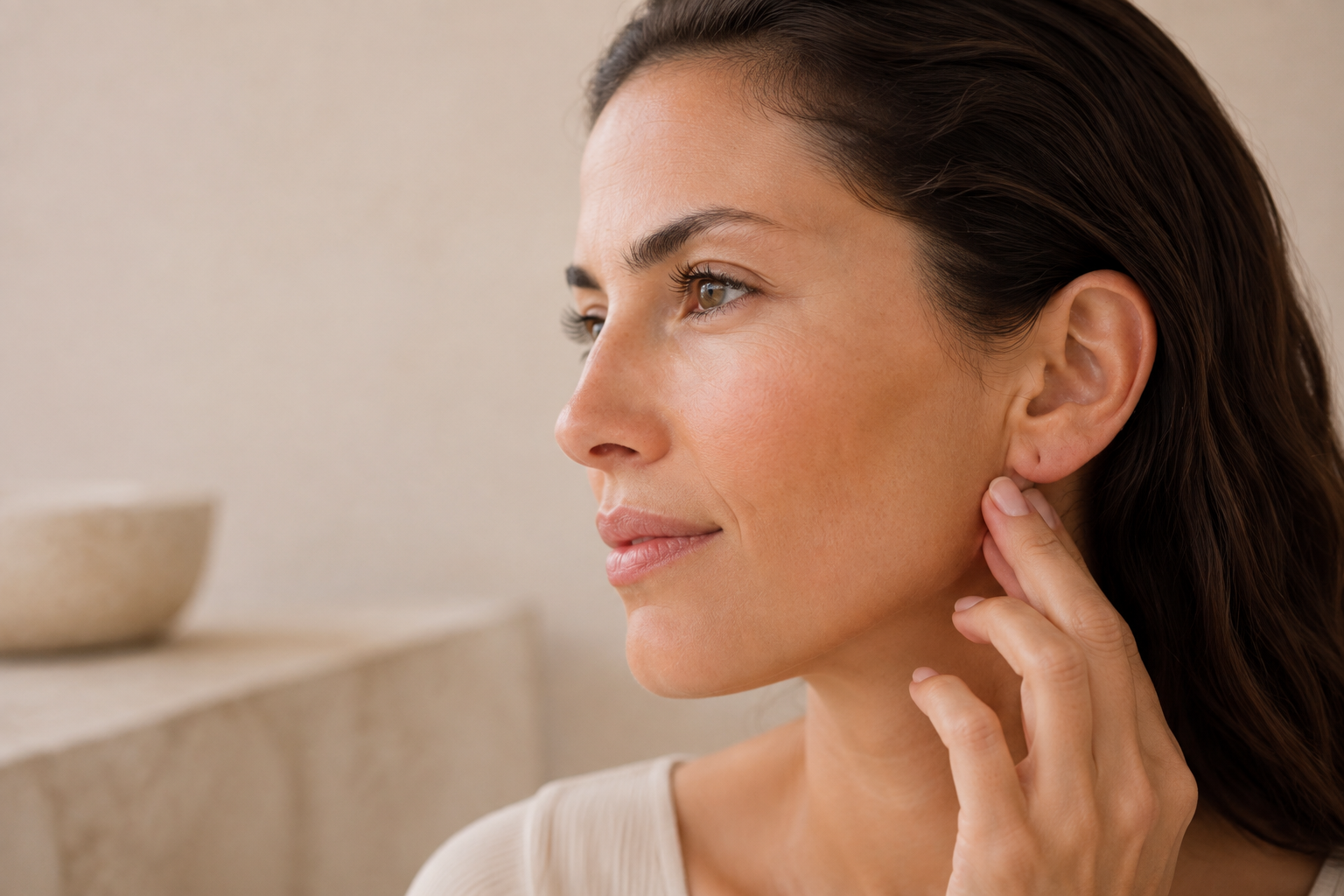
1. If it feels like weight, take the load off
For an established, healed piercing with no signs of infection, remove the earring when it begins to ache or pull. Let the lobe settle fully before trying jewellery again, and restart with a lighter, well-balanced pair. Persistent or recurring pain deserves professional advice.
2. Look at the skin, not just the grams
Itch, rash, dryness or blistering points away from a simple weight problem. Stop wearing the suspected item in a healed piercing and speak with a GP, pharmacist or dermatologist if the reaction is significant, unclear or does not improve. Check the exact finding material on the individual product page rather than assuming every earring uses the same metal.
3. Treat possible infection as a health issue
Warmth, increasing redness or skin-colour change, swelling, pus, fever or worsening pain needs medical assessment. If the piercing may be infected, follow medical advice about whether and when to remove the jewellery rather than deciding from a general article.
4. Act early on stretching or tearing
Stop wearing earrings that pull on an elongating hole. A fresh tear, significant bleeding or a sudden split should be assessed promptly. Creams, tape and earring-support patches cannot reconnect a divided earlobe; a clinician can explain whether the tissue is likely to settle or whether repair is appropriate.
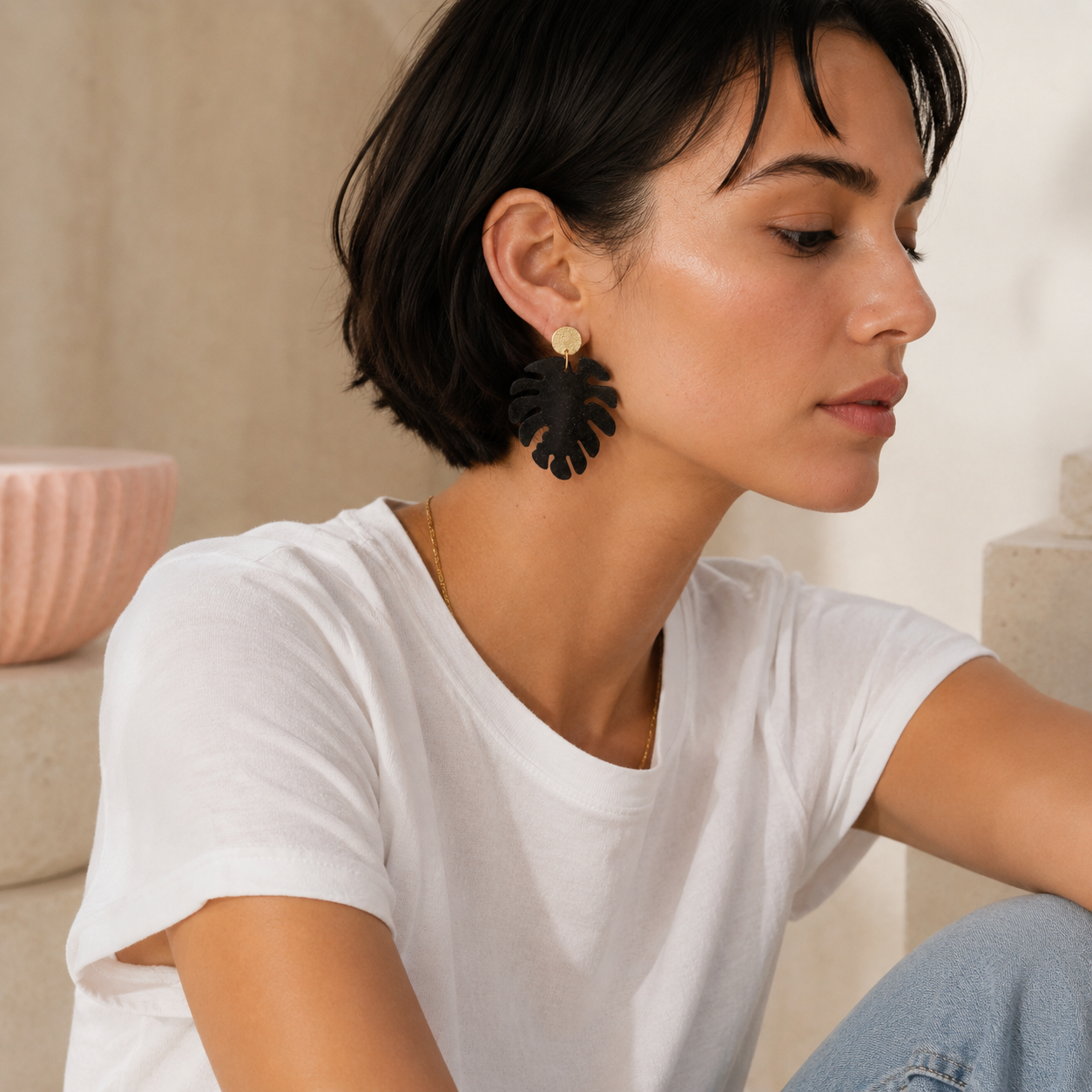
How to wear statement earrings more comfortably
Comfort is easier to protect before your ears start complaining.
1. Ask for the weight. Product dimensions show scale; grams show load. If a brand lists only pair weight, divide it by two to estimate the load on each ear.
2. Build wear time gradually. Try a new pair at home before committing to a full day or event, and remove it at the first clear ache or pull.
3. Rotate your earrings. Give your lobes lighter days rather than wearing the same weight for long periods every day.
4. Use the right backing. A stable back may help an earring sit upright, but it should not pinch. It can redistribute pressure; it cannot make a heavy earring weightless.
5. Reduce snagging. Remove large or dangling earrings before sleep, vigorous exercise, hair appointments or changing clothing that may catch on them.
6. Do not use support patches to override pain. They can stabilise an earring temporarily, but they are not treatment for an irritated, stretched or torn lobe.
What if your earring hole is already stretched?
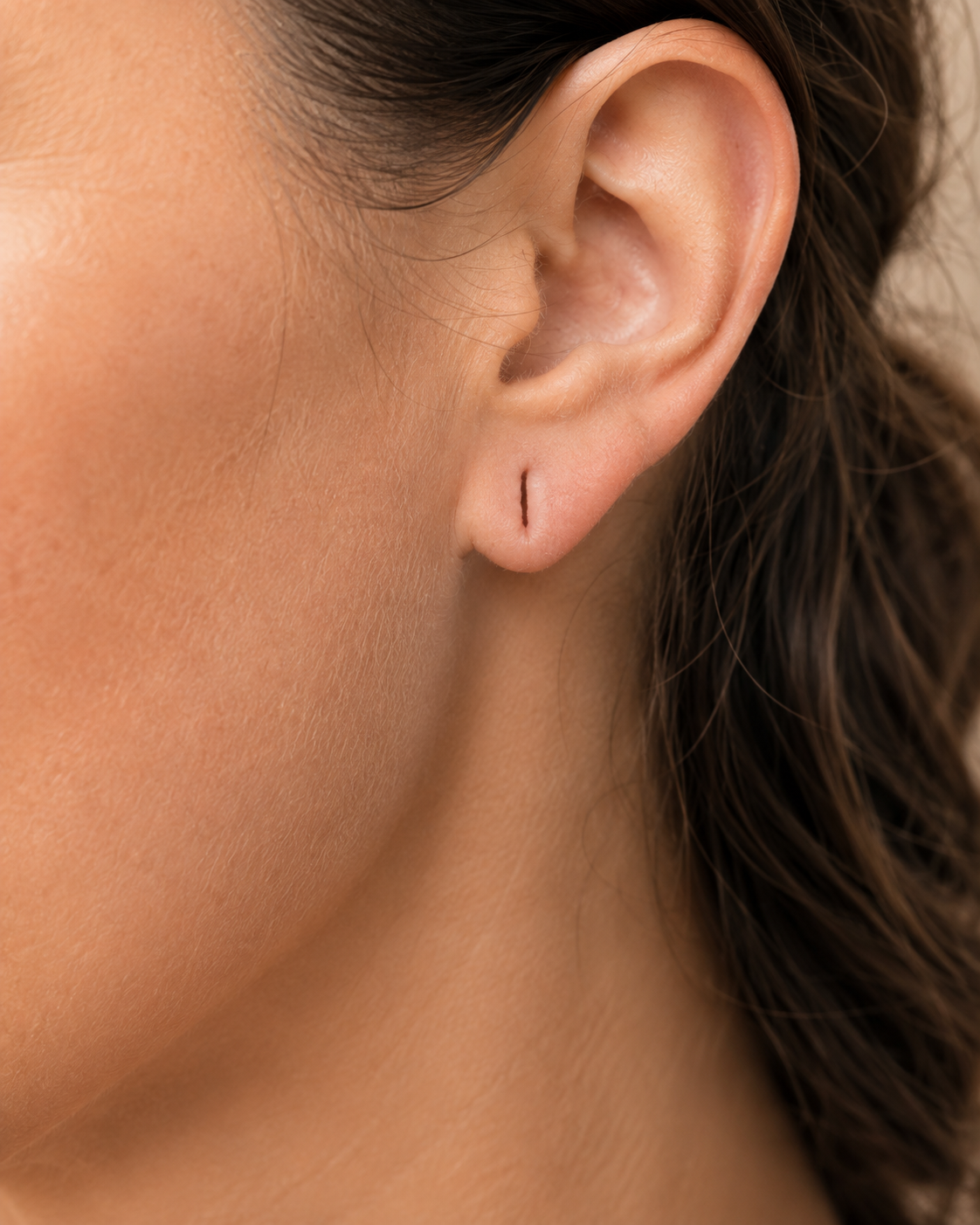
First, remove the repeated source of traction and avoid testing the hole with another heavy pair.
Very mild changes may look different after a period without weight, but there is no reliable home method that can close a clearly elongated or split piercing.
A GP, dermatologist or plastic surgeon can assess the tissue and discuss options. Cleveland Clinic explains that repair can reconnect stretched or torn skin and that people may be able to re-pierce after healing, following their clinician's timing and placement advice.
Statement earrings, without the expected weight
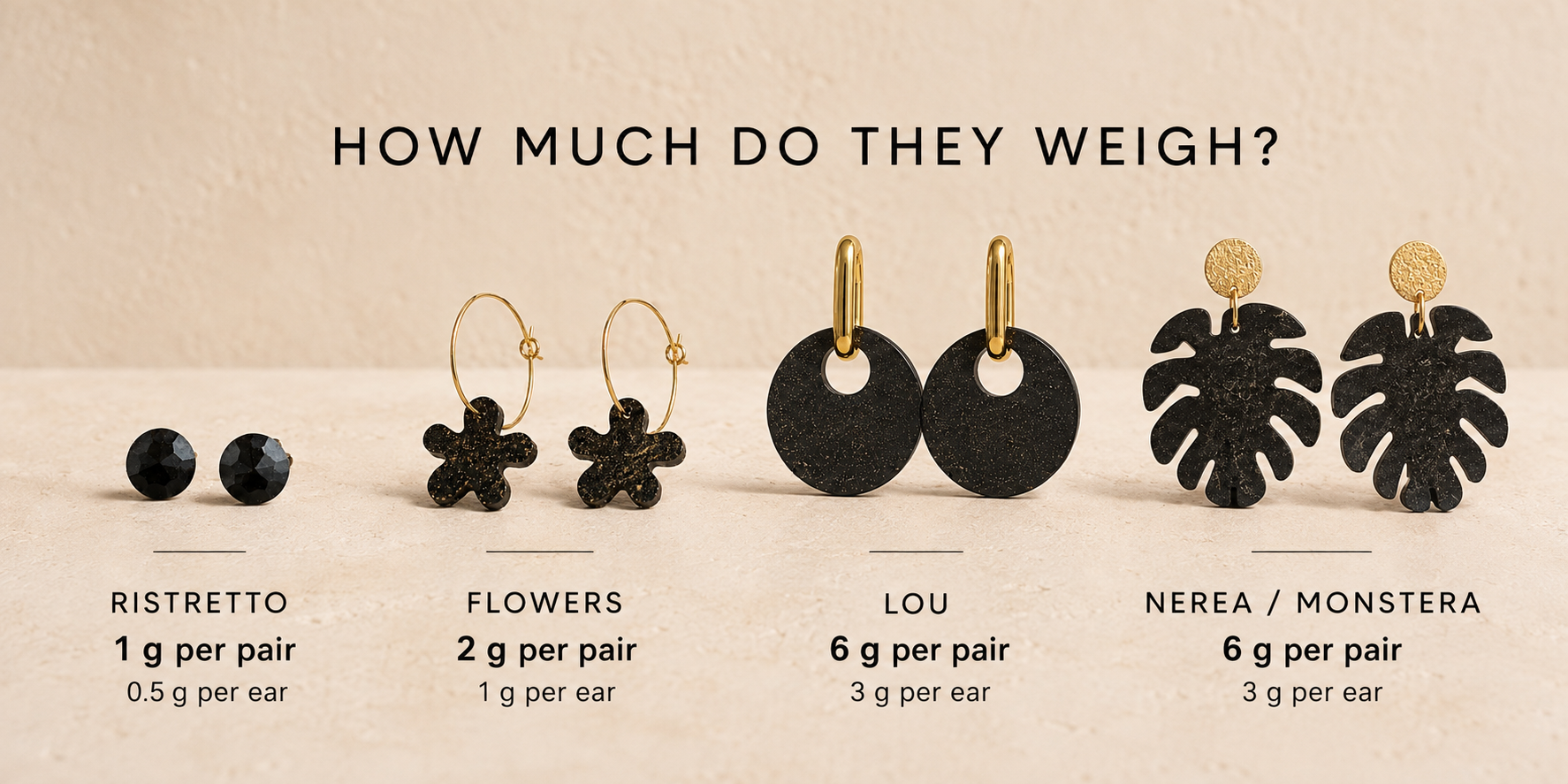
Atelier Cayelle earrings are frequently described by customers as surprisingly lightweight, even when the design makes a strong statement.
That lightness comes from coffee-stone, our unique handmade composite created from recycled coffee grounds mixed with real gold powder. It gives each piece dark, stone-like depth and subtle golden sparkle, while remaining much lighter than a comparable piece made from solid stone, metal or clay.
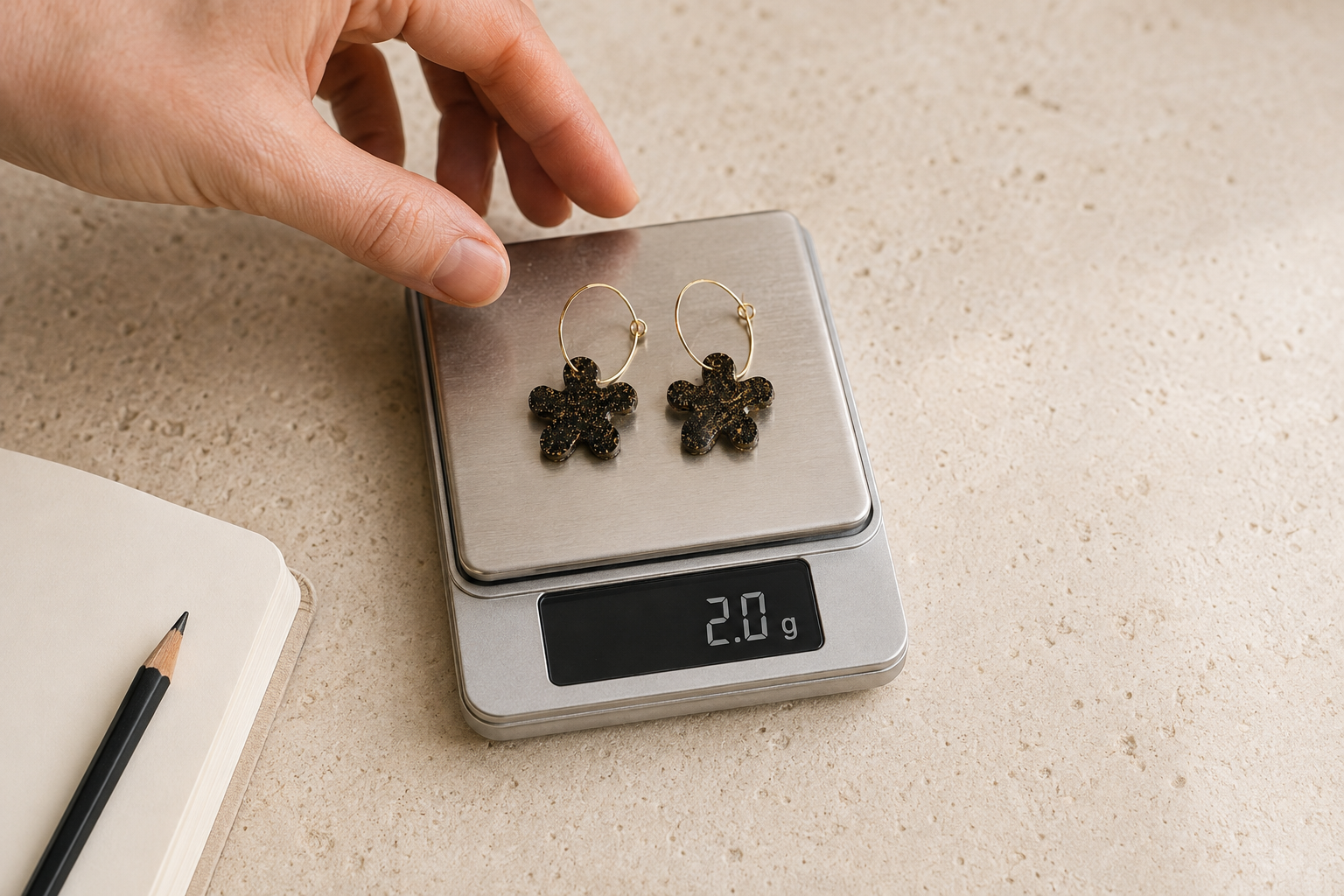
The difference is tangible. The Ristretto studs weighed for this guide are just 1 g per pair, the Flowers hoops 2 g per pair, and even the larger Lou and Monstera designs weigh 6 g per pair—approximately 3 g on each ear.
The result is sculptural jewellery with real visual presence, designed to feel comfortable rather than cumbersome.
Love statement earrings, but not the pulling? Discover lightweight coffee-stone earrings handmade in Melbourne.